
Empowering the Rural Women & Youth Since 1994
AWARD PAKISTAN
From Rubble to Resilience
Untold Stories of Women, Children, and Youth Facing the Impacts of Climate Change
The devastating impacts of climate change in Pakistan go far beyond destroyed homes and washed-out lands but they are tearing apart families, futures, and livelihoods. Intensifying floods, record-breaking heatwaves, and glacial lake outburst floods (GLOFs) have pushed communities to the brink. Women, children, and youth have emerged as the most vulnerable, facing disproportionate suffering and long-term
challenges. This report highlights their stories of loss and resilience while proposing practical, community-driven strategies to restore hope, create livelihood opportunities, and build resilience for the future. It seeks to shift the focus from mere statistics to human lives, reminding us that climate recovery is not just about rebuilding infrastructure but about empowering those most deeply affected.
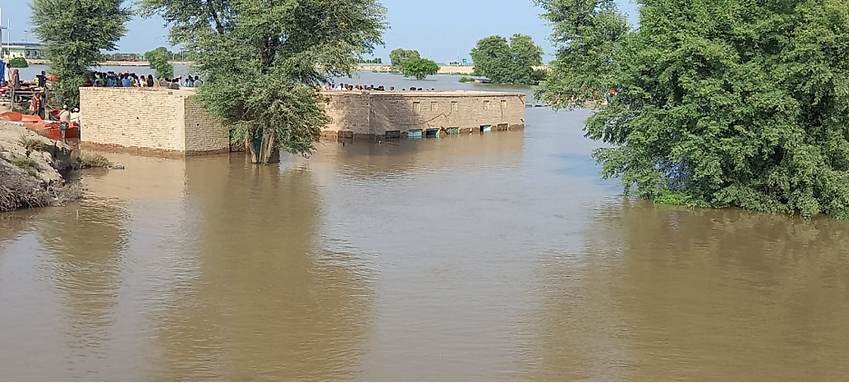
Source: AWARD, Field Visit (Jalalpur Tehsil, Multan, 2025) – Homes submerged by intensified monsoon floods, a stark sign of climate change.
Climate change is no longer a distant menace it is reshaping life for Pakistan’s most vulnerable: youth, women, children, and marginalized communities. The 2022 floods displaced over 33 million people, half of whom were children, disrupting education, nutrition, and long-term development (World Economic Forum, 2024). Women, particularly in rural areas, are bearing the brunt of these disasters as they face heightened health risks, caregiving burdens, and limited access to relief (Wired, 2023). In recent years, unprecedented heatwaves have scorched cities and rural fields alike, cutting agricultural yields and putting outdoor laborers at severe health risk. Glacial melt and shifting rainfall patterns are also intensifying droughts and water insecurity, compounding the daily struggles of already vulnerable communities.
The past two monsoon seasons have further escalated this crisis. In 2024, relentless rains and flash floods swept through regions like Gwadar, leaving many displaced and infrastructure in tatters (Wikipedia: 2024 Afghanistan–Pakistan floods). Then in 2025, the situation worsened record-breaking heat triggered rapid glacial melt and glacial lake outburst floods (GLOFs) in Gilgit-Baltistan, destroying villages and claiming dozens of lives (The Guardian, July 2025). As of mid-August 2025, devastating cloudburst-driven flash floods and landslides across Khyber Pakhtunkhwa and adjacent areas have resulted in hundreds of deaths and widespread displacement (Financial Times / South Asia, August 2025).
In Punjab, swollen rivers and dam releases have submerged over 4,100 villages, affecting more than 4.2 million people and forcing the displacement of around 2 million individuals. At least 56 lives have been lost, while thousands of acres of standing crops have been destroyed, and hundreds of communities remain cut off from relief. Over 250,000 animals (cattle, sheep, goats, pigs) have either died or been severely impacted, along with hundreds of thousands of poultry birds (such as chickens). Women, particularly in rural areas, have faced heightened caregiving burdens, health risks, and the loss of livelihood options as agricultural income collapsed. Around 68% of rural women in Pakistan are employed in agriculture, but many serve as unpaid family workers with limited control over land, credit, or wages. These disasters disproportionately affect young people, who grapple with eco-anxiety a pervasive psychological burden amplified by educational disruptions and bleak job prospects(World Economic Forum, 2024). It also limited job opportunities and increased migration pressures for the youth. Children face rising risks of malnutrition, waterborne diseases, and trauma amid crumbling support systems (UNICEF, July 2025). Meanwhile, the poorest such as landless farmers, ethnic minorities, and the elderly lack the resources to bounce back, deepening inequality and prolonging cycles of vulnerability (Friday Times, July 2025). Yet, amid this harrowing reality, communities have stepped up. Women-led early warning systems, youth climate-action initiatives, and local adaptation strategies are beginning to show that resilience doesn’t have to wait for government intervention.
Climate Change Impacts on Youth in Pakistan

Source: AWARD, Field Visit (Jhang, 2025) – AWARD distributed rations to flood-affected families, highlighting how climate change impacts youth and their livelihoods.
Youth, who make up nearly 64% of Pakistan’s population, are disproportionately affected by climate change (UNDP, 2021). Extreme weather events disrupt education systems, limit employment opportunities, and increase migration pressures for future. For instance, the 2022 and 2025 monsoon floods forced the closure of thousands of schools in Pakistan, displacing millions of children and young people (UNICEF, 2025). Many students never returned to formal schooling, leading to long-term skill deficits.
Moreover, rising heat stress directly impacts young laborers, especially in agriculture and construction sectors, where they are often engaged in unsafe outdoor work. According to the International Labour Organization (ILO, 2023), heat exposure reduces productivity and increases health risks for young workers, further marginalizing them in an already fragile job market.
In addition, climate-driven resource scarcity such as water shortages has heightened youth involvement in local conflicts, particularly in rural areas where livelihoods depend on farming. This not only erodes social cohesion but also increases the risk of radicalization among unemployed young populations (Amjad & Jamil, 2022).
Scorching Heat Leaves Pakistan’s Young Workers Struggling for Survival
Extreme heat is becoming a silent disaster for Pakistan’s youth working in the informal sector. In a 2025 report by Samaa TV, young daily-wage earners in construction, street vending, and small artisan trades described how temperatures soaring above 45°C forced them to cut their working hours or abandon work altogether. Tools became too hot to handle, dehydration and fainting were common, and many lost income during peak summer days. For young workers already at the margins of the labor market, rising heat stress means fewer opportunities, worsening poverty, and heightened health risks.
Source: Climate change is crippling Pakistan’s street jobs.
Women’s Vulnerabilities under Climate Change in Pakistan
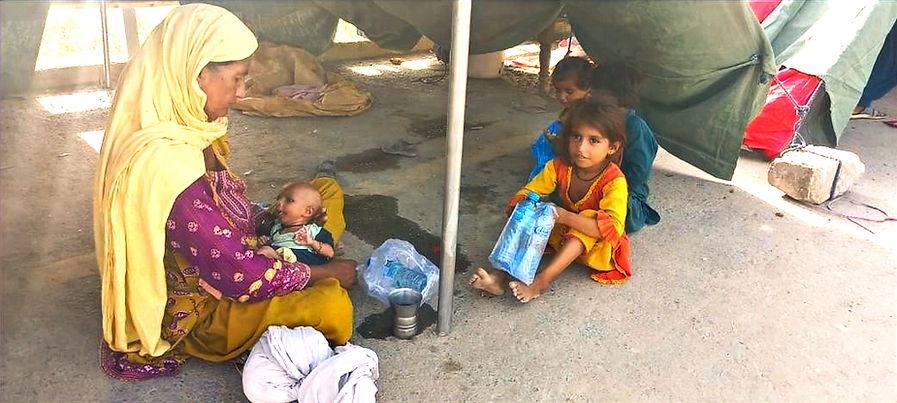
Image Source: AWARD field visit, Multan (Jalalpur Tehsil), Sep 2025 — A mother with her infant, symbolizing women’s silent suffering amid the monsoon catastrophe.
Women in rural and marginalized communities are disproportionately impacted by climate change in Pakistan because of their socially constructed roles, limited access to resources, and restricted decision-making power. During climate-induced disasters such as floods and droughts, women often bear the burden of securing water, food, and fuel for their households while also caring for children and the elderly (UN Women, 2022).
The 2022 super floods illustrated this gendered burden: over 8.2 million women and girls of reproductive age were affected, many of whom faced lack of access to maternal health services and safe spaces (UNFPA, 2022).
Recent climate events continue to reveal the disproportionate risks faced by women. The 2024 monsoon floods displaced more than 2 million people across Punjab and Sindh, with pregnant women and lactating mothers among the most vulnerable groups lacking healthcare facilities (NDMA, 2024; UNICEF, 2024). In 2025, heavy monsoon rains and flash floods once again left women in relief camps struggling with heightened risks of gender-based violence, unsafe and overcrowded shelters, and severely limited access to reproductive and maternal health services. (UNOCHA, 2025; UNICEF, 2025).
Climate change also threatens rural women’s livelihoods. According to the International Laboure Organization (ILO, 2023), women make up a significant proportion of Pakistan’s agricultural labor force, yet they have little control over land or income. Prolonged heat stress and unpredictable rainfall disrupt agricultural cycles, pushing women further into poverty (ILO, 2023). Furthermore, studies show that cultural barriers often prevent women from accessing climate adaptation training, financial resources, or mobility during crises. The Human Rights Watch (HRW, 2023) report on Pakistan’s floods found that displaced women frequently lacked access to toilets and sanitary products, exacerbating health risks and violating their dignity. Thus, climate change in Pakistan is not just an environmental or economic issue it is a deeply gendered crisis, amplifying pre-existing inequalities and placing the greatest burden on women.
Women’s Story – Survival Amid Floods
(Sehwan, Sindh)
In the submerged town of Sehwan, Sindh, 30-year-old Rubina Mallah was stranded on a rooftop while in labor. With floodwaters cutting off all roads, her family took the risky decision to place her on a wooden boat. For three grueling hours, she was ferried through deep, raging waters until she reached a distant hospital. There, she gave birth safely despite the chaos. Rubina’s story symbolizes the extraordinary resilience of women during Pakistan’s monsoon devastation, where maternal health becomes one of the greatest silent struggles.
Children’s Vulnerabilities under Climate Change in Pakistan

Source: AWARD, Field Visit (Chiniot, 2025) – A tired, hungry child walks outside a tent, reflecting how climate change forces children to leave school behind and face an uncertain future.
Children in Pakistan are among the most vulnerable groups when monsoon floods strike, often facing disruptions to education, displacement, and loss of life. In 2024, UNICEF reported that nearly 230,000 students in Sindh were directly affected when schools were closed due to severe monsoon flooding. More than 1,300 schools were damaged, with 228 completely destroyed, forcing thousands of children out of classrooms. Tragically, 76 people lost their lives, half of whom were children, while at least 140,000 children and families were displaced from their homes (UNICEF, 2024).
The following year, in 2025, the crisis intensified. Reuters documented that in Khyber Pakhtunkhwa alone, 358 people were killed by flash floods, including 30 children, after torrential rains triggered landslides and cloudbursts (Reuters, 2025a). Similarly, in northwestern Pakistan, more than 340 deaths were reported, with 21 children among the victims, leaving families fearful of returning to their flood-hit homes (Reuters, 2025b). According to overall estimates, since June 2025, the monsoon floods have claimed over 785 lives across Pakistan, with districts such as Buner recording some of the highest child casualties (Wikipedia, 2025). These figures highlight that children not only bear the immediate brunt of disasters through death and displacement but also suffer long-term setbacks in education, health, and psychosocial wellbeing. Without targeted interventions, Pakistan’s recurring monsoon disasters will continue to rob children of both their present safety and their future opportunities.

Children’s Story – Fear and Trauma (Buner, Khyber Pakhtunkhwa)
In Bayshonai Kalay village, Buner district, children remain deeply traumatized after floods destroyed their homes and schools. Survivors recall the terrifying night when torrential waters crashed down from the mountains, sweeping away everything in their path. “Children are scared... they cannot sleep,” said one father, holding his son who cries at the sound of rain. At least 21 children lost their lives in Buner alone, part of the 340 nationwide deaths. Beyond physical losses, children now carry the invisible burden of trauma, with their education and sense of security shattered.
Muhammad Arsalan, a 12 year boy, originally from Rajanpur, lost his home and school in the 2022 floods. His family fled to Lahore, where Arsalan began working in a shop for just Rs200 a day because his school was destroyed. After several years, his family returned home but he stayed behind because of his work. His prospects were deeply affected educational disruption, job as child labour, and long-term skill deficits.
Recommendations For Practical Community-Driven Solutions for Youth, Women, and Children Disasters like floods affect entire communities, but their impact is particularly severe on youth, women, and children.
While government policies are important, resilience can also be built through grassroots, community-led, and private sector-supported initiatives. The following strategies highlight practical stages that can be implemented independently of state structures.
1. Youth:
Turning Crisis into Opportunity Youth are often the first to lose jobs, education, and stability during disasters, yet they can become engines of recovery if provided the right opportunities.Community Job Placements – Local businesses and philanthropists can dedicate a percentage of employment opportunities for flood-affected youth, as Javed Afridi recently did by offering jobs to youth of flood-hit families. This not only restores dignity but also prevents rural-to-urban migration.Skill-Sharing Networks – NGOs, universities, and even community centers can host short trainings in trades like solar panel repair, digital freelancing, or sustainable farming, equipping young people with long-term, marketable skills.Youth Volunteer Brigades – Instead of waiting for official disaster teams, communities can form their own trained groups of young volunteers to assist in rescue, rebuilding homes, and running awareness drives.
2. Women: Rebuilding Livelihoods and Dignity Women carry the heaviest household responsibilities during and after disasters. Community-driven support ensures their strength translates into resilience.Women-Led Safe Spaces – In local mosques, schools, or community halls, safe corners run by women can provide health, privacy, and peer support during floods.Microenterprise Recovery Circles – Groups of women can pool small savings, supported by NGOs or donors, to restart tailoring, food selling, or craft-making, turning disaster relief into sustainable income streams.Community Leadership Roles – Women’s groups, even informal ones, can lead decisions on rebuilding homes, distributing aid, or running child education programs, ensuring their voices are central in recovery. 3. Children: Safeguarding Futures at the Grassroots Level Children are at the highest risk of malnutrition, trauma, and school dropouts. Community-based initiatives can directly address their needs.Temporary Learning Centers – Communities can set up tent schools or use undamaged homes as makeshift classrooms so that children’s education continues during recovery.Community Feeding Programs – Local kitchens, religious institutions, or youth volunteers can organize daily hot meals for children to prevent hunger and malnutrition in flood-affected families.Child-Friendly Corners – Spaces within relief camps where children can play, learn, and receive emotional support from volunteers help them recover from trauma and regain a sense of normalcy.
Conclusion
Climate change in Pakistan is not just an environmental issue, it is a human crisis, disproportionately burdening the very groups that make up the majority: youth, women, and children. If current climate patterns continue, Pakistan’s youth, women, and children will face escalating risks over the next decade. Projections by the Intergovernmental Panel on Climate Change (IPCC) for South Asia warn of more intense monsoon rainfall, recurring heatwaves, and prolonged droughts, trends that will further destabilize vulnerable communities. Youth unemployment is expected to deepen as agriculture and informal sectors shrink under environmental stress. Women, particularly in rural and flood-prone areas, will encounter growing barriers in healthcare, livelihoods, and personal safety. Meanwhile, children risk becoming a “lost generation” due to disrupted schooling, stunting, and long-term psychological trauma. The 2022, 2024, and 2025 monsoon disasters have revealed how fragile lives become when floods sweep away homes, schools, and livelihoods. But they have also shown a path forward. Practical, people-led strategies such as creating employment pathways for climate-affected youth, building women’s resilience through economic cooperatives, and ensuring safe learning spaces for children offer hope. These solutions require no waiting for top-down policies; they grow from within communities themselves. The choice is clear: either Pakistan allows its most vulnerable to remain forgotten, or it invests in their strength as agents of change. In the end, it is the collective courage and innovation of Pakistan’s youth, women, and children that will decide whether climate adversity turns into a cycle of despair or a story of resilience and renewal.
References
Amjad, S., & Jamil, R. (2022). Climate change, livelihood insecurity and youth vulnerability in rural Pakistan. Sustainable Development Policy Institute (SDPI).
Financial Times. (2025). Monsoons claim hundreds of lives across South Asia [South Asia edition]. Financial Times.
Friday Times. (2025, July 30). Monsoon fury and melting glaciers push Pakistan to the brink. The Friday Times.
Guardian. (2025, July 9). Accelerated glacial melt and monsoon rains trigger deadly floods in Pakistan. The Guardian.
Human Rights Watch. (2023). Pakistan: Flood survivors still waiting for aid.
International Labour Organization. (2023). Working on a warmer planet: The impact of heat stress on labour productivity. Geneva: ILO.
National Disaster Management Authority. (2024). Monsoon 2024 situation report. Government of Pakistan.
Reuters. (2025a, August 19). Twenty bodies found in Pakistan mountain village after cloudburst flooding. Reuters.
Reuters. (2025b, August 18). Pakistani villagers scared to go back to deluged homes after floods kill over 340. Reuters.
United Nations Development Programme. (2021). Pakistan National Human Development Report on Youth. UNDP Pakistan.
United Nations Population Fund. (2022). Pakistan floods: Women and girls at risk.
United Nations Women. (2022). Gender and climate change: Pakistan country profile.
United Nations Children’s Fund. (2024, September 11). Education on hold for 230,000 children in Pakistan’s flood-affected Sindh.
United Nations Children’s Fund. (2024, August). Pakistan: Monsoon floods situation report.
United Nations Children’s Fund. (2025, July). Pakistan: Monsoon floods situation report.
United Nations Children’s Fund. (2025, July 17). UNICEF statement on monsoon floods’ impact on children in Pakistan. UNICEF Pakistan.
United Nations Office for the Coordination of Humanitarian Affairs. (2025). Pakistan humanitarian update: Monsoon floods 2025. Relief Web.
Wikipedia contributors. (2024). 2024 Afghanistan–Pakistan floods. In Wikipedia.
Wikipedia contributors. (2025). 2025 Pakistan floods. In Wikipedia.
Wired. (2023). A new way to see your climate anxiety. Wired.
World Economic Forum. (2024). How are Pakistanis dealing with eco-anxiety in the face of climate change? World Economic Forum.